Unlocking Precision with Hydrochloric Acid Tank Level Gauges
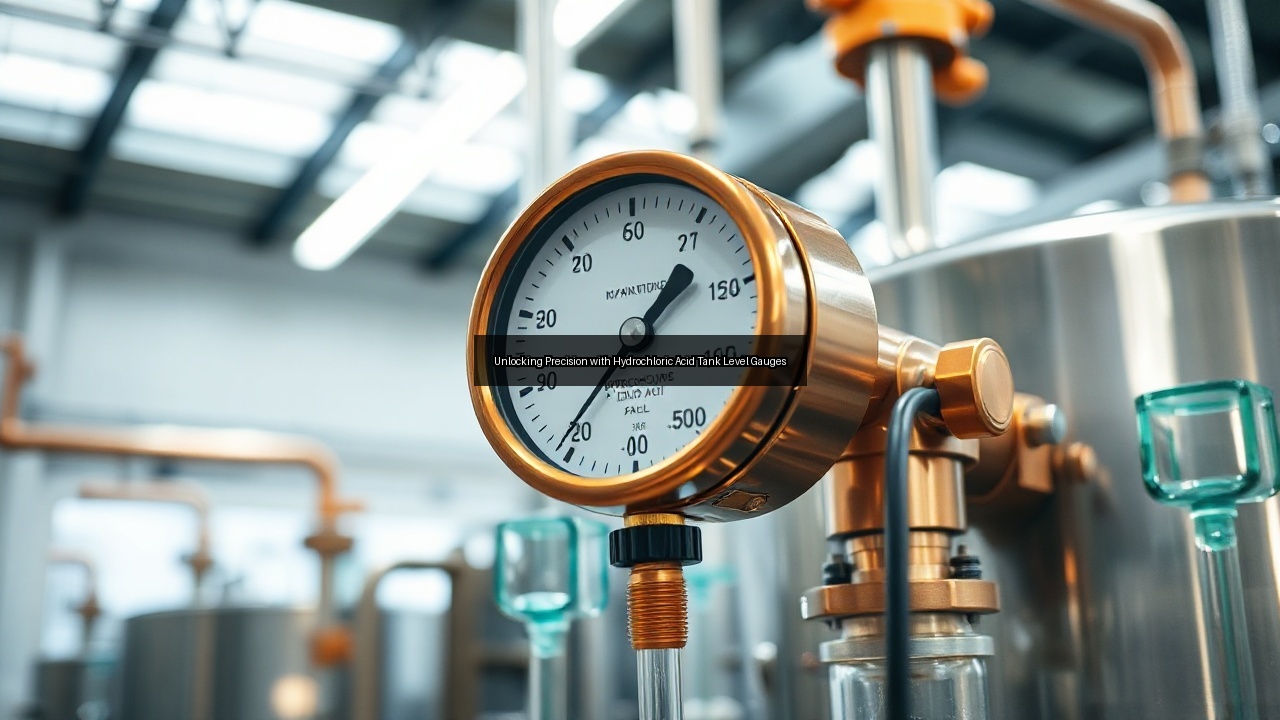
Understanding Hydrochloric Acid and Its Storage Challenges
Properties of Hydrochloric Acid
Hydrochloric acid (HCl) stands out as a highly corrosive and versatile chemical widely used in various industries, including metal processing, food production, and chemical manufacturing. It exists as a clear, colorless solution of hydrogen chloride in water. Its strong acidic nature allows it to dissolve metals, making it essential for processes like pickling and etching. The pH of hydrochloric acid can range from 0 to 1, which underscores its potency. Handling HCl requires strict safety measures due to its corrosive properties, which pose risks to both personnel and equipment. Therefore, efficient storage and precise measurement are crucial for ensuring safe operations.
Challenges in Measuring HCl Levels in Storage Tanks
Measuring the levels of hydrochloric acid in storage tanks presents unique challenges. The corrosive nature of HCl can damage traditional measuring instruments, leading to inaccurate readings and potential failures. Maintaining accurate level measurement becomes critical, especially in large-scale operations where even minor discrepancies can lead to significant financial losses or safety hazards. Additionally, the density of hydrochloric acid varies with concentration, complicating level readings. Environmental factors, such as temperature and pressure fluctuations, also affect measurement accuracy. Therefore, selecting the right hydrochloric acid tank level gauge is essential to mitigate these challenges.
Importance of Corrosion Resistance in Level Gauges
Corrosion resistance plays a vital role in the longevity and reliability of level gauges used for hydrochloric acid storage. Standard materials can degrade rapidly in the presence of HCl, leading to instrument failure. Equipment made from corrosion-resistant materials, such as specialized plastics, glass, or stainless steel, ensures that the level gauge remains operational even in harsh chemical environments. This resilience not only extends the life of the measuring instrument but also reduces maintenance costs. By investing in high-quality, corrosion-resistant gauges, businesses can enhance operational safety and efficiency while chemical level gauge minimizing downtime associated with equipment failure.
Types of Hydrochloric Acid Tank Level Gauges
Overview of Level Gauges and Sensors
Hydrochloric acid tank level gauges come in various types, each designed to meet specific measurement needs. Level gauges and sensors can be mechanical or electronic, with each type offering distinct advantages. Mechanical gauges rely on float mechanisms and are straightforward in operation. However, electronic sensors provide enhanced accuracy and integration capabilities. Technologies such as ultrasonic, radar, and capacitance sensors are prevalent for measuring acid levels. These advanced instruments can transmit data in real-time, allowing for continuous monitoring. Different applications may require varying levels of accuracy and reliability, making it essential to choose the right type of level gauge for hydrochloric acid storage tanks.
Corrosion-Resistant Materials for HCl Level Measurement
Selecting a level gauge made from corrosion-resistant materials is crucial for effective hydrochloric acid measurement. Common choices include PTFE (Teflon), glass, and various grades of stainless steel. These materials resist HCl’s aggressive nature, ensuring the longevity of the measuring instrument. PTFE offers excellent chemical resistance and is often used in applications requiring close tolerances. Glass, while fragile, provides accurate readings and works well in visual level indicators. Stainless steel, particularly grades like 316 and 317, offers robust structural integrity and resistance to pitting and crevice corrosion. Understanding the pros and cons of each material aids in selecting the optimal gauge for specific storage tank conditions.
Comparing Various Measuring Instruments for Acid Storage
Different measuring instruments are available for hydrochloric acid storage, each with unique features and capabilities. Magnetic level gauges utilize a float that rises and falls with the liquid level, providing a direct visual measurement. Ultrasonic level sensors offer non-contact measurement, making them ideal for applications where contamination or corrosion is a concern. Radar level gauges provide high accuracy and can function in extreme conditions, including high temperatures and pressures. Each type of gauge presents advantages and potential drawbacks, depending on the specific requirements of the storage facility. Thoroughly comparing these options ensures the selection of an effective hydrochloric acid tank level gauge.
Key Features of Reliable Hydrochloric Acid Tank Level Gauges
Accuracy and Precision in Level Measurement
Accuracy and precision are paramount when measuring hydrochloric acid levels in storage tanks. Reliable gauges should provide consistent readings, allowing operators to monitor levels effectively. High-quality level gauges minimize errors through advanced technology and calibration methods. Some models incorporate digital displays, offering enhanced readability and real-time data transmission. Regular calibration and maintenance of these instruments are essential to uphold their accuracy. By ensuring precise level measurements, businesses can optimize inventory management, reduce waste, and enhance safety protocols, especially when dealing with hazardous materials like hydrochloric acid.
Integration with Pressure Gauges and pH Sensors
Effective hydrochloric acid management often requires integrating various instruments, such as pressure gauges and pH sensors, alongside level gauges. This integration provides a comprehensive view of the storage tank's conditions, facilitating informed decision-making. Monitoring pressure helps detect any anomalies that could indicate leaks or equipment failure, while pH sensors ensure the acid's concentration remains within safe limits. A well-designed system allows seamless communication between these instruments, improving overall reliability and safety. Utilizing a multi-sensor approach enhances operational efficiency and provides critical data for maintaining optimal storage conditions for hydrochloric acid.
Role of Stainless Steel in Corrosion Resistance
Stainless steel is a crucial material in the construction of reliable hydrochloric acid tank level gauges. Its properties offer a balance between durability and resistance to corrosive environments. Grades like 316L stainless steel are commonly used for their ability to withstand HCl without significant degradation. This material not only supports the structural integrity of the gauge but also minimizes the risk of contamination. The selection of stainless steel in level gauge construction reflects a commitment to quality and safety. Gauges made from this material can endure harsh conditions, ensuring long-term reliability and performance crucial for effective hydrochloric acid storage.
Selecting the Right Hydrochloric Acid Tank Level Gauge
Factors to Consider When Choosing a Tank Level Gauge
Choosing the right hydrochloric acid tank level gauge requires careful consideration of several factors. First, assess the gauge's compatibility with HCl, ensuring it utilizes materials resistant to corrosion. chemical level gauge Next, evaluate the required accuracy and measurement range based on the specific storage tank's size and operational needs. Consider the installation environment, including temperature and pressure conditions, which may influence gauge performance. Additionally, think about the ease of maintenance and calibration, as well as any necessary integration with existing monitoring systems. By taking these factors into account, businesses can select a gauge that meets their needs while ensuring safe and effective hydrochloric acid management.
Vega's Solutions for HCl Measurement
Vega offers a range of innovative solutions tailored for hydrochloric acid measurement. Their level gauges and sensors are designed with advanced technology to provide accurate and reliable readings while maintaining corrosion resistance. The company utilizes materials like stainless steel and specialized plastics to ensure their instruments withstand the challenges posed by HCl. Vega's products feature user-friendly interfaces and seamless integration capabilities with other monitoring systems, enhancing operational efficiency. By choosing Vega for hydrochloric acid tank level gauges, businesses can invest in reliable instruments that enhance safety and accuracy in chemical storage.
Future Trends in Chemical Tank Level Gauges
The landscape of chemical tank level gauges is evolving with advancements in technology. Innovations such as IoT-enabled sensors are gaining traction, allowing for real-time monitoring and remote access to data. This connectivity enhances operational efficiency and promotes proactive maintenance by alerting users to potential issues before they escalate. Additionally, advancements in materials science are leading to even more durable and resistant gauge constructions, further improving reliability in harsh chemical environments. As industries continue to prioritize safety and efficiency, the demand for sophisticated hydrochloric acid tank level gauges will likely increase, shaping the future of chemical level measurement.
See Also
- Hydrochloric Acid Storage: Essential Insights on Level Measurement
- The Future of Corrosion-Resistant Level Sensors for Acid Storage
- How to Choose the Right Level Gauge for Hydrochloric Acid Tanks
- Hydrochloric Acid Level Measurement Techniques You Need to Know
- Exploring the Advantages of Pressure Gauges in Chemical Applications